What Separates Thriving Businesses from the Rest?
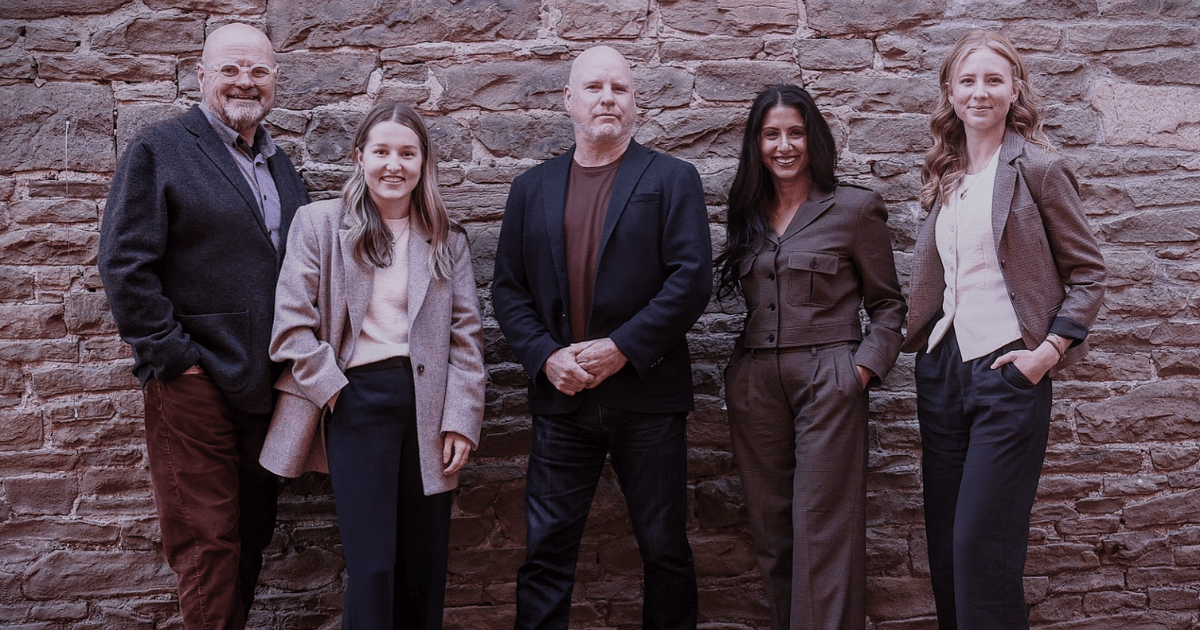
In every market, there are businesses that barely scrape by and those that consistently grow, generate strong profits, and eventually become valuable assets. So, what’s the difference? According to Mike Lenz and Breanne Epoch, the answer lies in a few foundational truths that far too many entrepreneurs overlook.
“It’s not magic,” Mike says. “It’s systems, mindset, and how you take care of people. That’s it. That’s the whole secret.”
Simple? Yes. Easy? Definitely not.
But if you’re ready to stop running your business on hustle and start building something sustainable and saleable, read on. These are the principles Bree and Mike used to build their success—and how they encourage other business owners to do the same.
Take Care of People, and the Business Will Follow
At the heart of every successful business is a commitment to service; specifically the service of people.
“Business is about solving problems,” Mike explains. “When you consistently fill a real need and do it well, you’ll never be short of customers. But it has to go beyond just transactions—you need to create raving fans.”
That’s especially important for businesses that don’t have frequent repeat customers. When you only have one chance to make an impression, every touchpoint matters. The goal is not just to do the job, but to leave a lasting impression—one that earns referrals, testimonials, and trust.
Most Business Owners Aren’t Entrepreneurs—And There’s the Challenge
Mike often references the E-Myth by Michael Gerber, which highlights a key misconception in small business: most owners aren’t entrepreneurs. They’re technicians.
“They’re really good at something — a great mechanic, an astonishing baker, a great sealsperson—but they’re not trained to run a business,” Mike says. “So they end up doing everything themselves, which limits growth and creates burnout.”
The technician-turned-owner usually finds themselves working longer hours for less money, buried in operations, and unable to scale. Eventually, they hit a ceiling. Mike again, “It’s like the governor on a school bus which limits its top speed. You know; for safety. Can’t have rogue bus drivers thinking their F! drivers.”
And the only way to break through? Stop trying to do it all.
You’re the Bottleneck—Remove Yourself
One of the hardest truths for owners to hear: you are the biggest thing holding your business back.
Businesses that are entirely dependent on the owner for daily decisions, service delivery, or client relationships are not scalable. More importantly, they’re not sellable.
“If you have to be there every day for your business to function, you don’t own a business—you have a vocation,” says Mike. “Vocations aren’t saleable.”
The solution? Start building a business that can run without you. That means documented processes, empowered teams, and leaders who can make decisions in your absence.
Let Go of the Superhero Complex
There’s a myth that many owners carry: that no one can do it like them. They believe their skill, insight, or passion is irreplaceable.
“Buyers come in and think the owner is a superhero. Even if you think you aren’t (and you’re probably right) the only truth is the buyer’s perception,” Mike shares. “You appearing amazing is a weakness, not a strength.”
If your business can’t operate without you, it’s less valuable because the amount of available buyers, the market, is smaller because they need to be able to replace your particular skill set. The goal is to build a company where your presence adds value, but isn’t essential.
Take off that cape. Build a team that can fly without you.
Build Systems, Not Just Tasks
Mike recalls a fireplace installation company that was manually run with whiteboards, sticky notes, and handwritten work orders. The business was profitable, but every process relied on tribal knowledge, memory, and considerable paper shuffling.
The new owners—clients of Mike’s—implemented systems using business management tools like Jobber. They standardized workflows, improved scheduling, and digitized customer communications.
Within months, the business ran more efficiently. Within years, it became a significantly more profitable because now it was a scalable company.
Lesson? Systems turn chaos into clarity—and clarity can scale.
Market Smarter, Not Louder
Another issue Mike sees often is outdated marketing. Many owners spend money out of habit, not effectiveness.
“The previous owner of that fireplace business was spending most of the budget on TV ads,” Mike says. “Our clients didn’t increase the budget. They just diversified it.”
They invested in social media, local signage, Google Ads, and—most effectively—relationship marketing. They hosted events for interior designers, architects, and contractors. They turned their showroom into a hub for connection and collaboration.
The result? New leads, better partnerships, and word-of-mouth growth.
Build Relationships That Build Your Brand
If you want sustained growth, especially in a service-based business, your reputation is everything. And reputations are built on relationships.
The most successful businesses are often the most connected businesses. They’re the ones that invest in their communities, their industries, and the professionals who influence their buyers.
Hosting events. Showing appreciation. Sharing knowledge. These things don’t cost much—but they make a massive difference in brand equity.
Hire People Who Think Differently
To grow beyond yourself, you need to hire leaders—not just workers.
In one case, Mike’s clients brought in a general manager from outside the industry. That decision—bringing in a fresh perspective—was the turning point. The new manager brought organization, objectivity, and the leadership the company needed to evolve. Most importantly, they had no preconceived notions of how a company in that industry should operate.
Don’t be afraid to hire people who challenge the status quo. Very often, that’s exactly what your business needs.
You Don’t Need to Buy Perfect—You Need to See Potential
A critical mindset Mike teaches to business buyers is this: you’re not buying a perfect business, you’re buying opportunity.
Flawed systems, outdated marketing, owner-dependence—these aren’t red flags. They’re opportunity.
“Too many buyers talk about what’s wrong with a business as if that was a bad thing.” Mike says. “But if it’s profitable despite those flaws, you should be excited. Fix those things, and you’ll unlock serious growth.”
It’s the same perspective that helped his clients triple profitability in just a few years.
Design Your Exit While You’re Still In It
The irony of thriving businesses? The ones that are easiest to sell are often the ones that the owners don’t need to sell.
That’s because they’ve built something self-sustaining, efficient, and profitable. And in doing so, they’ve unlocked freedom: freedom to stay, grow, or exit on their terms.
“The best time to design your exit is before you think you need an exit,” Mike advises. “Build your business to be saleable—even if you never sell it. That’s what true freedom looks like.”
Start Building a Business That Works for You
If there’s one thing Bree and Mike have proven, it’s that thriving businesses aren’t just born—they’re built. Through systems. Through service. Through strategy. Through Relationships.
Whether you want to grow your business, prepare it for sale, or just stop feeling stuck inside it, the path forward isn’t about doing more—it’s about doing better.
Start by asking yourself the hard questions. Challenge the status quo. Then get support from someone who’s walked the path.
👉 Schedule a conversation with Mike and take the first step toward building a business that thrives—with or without you.
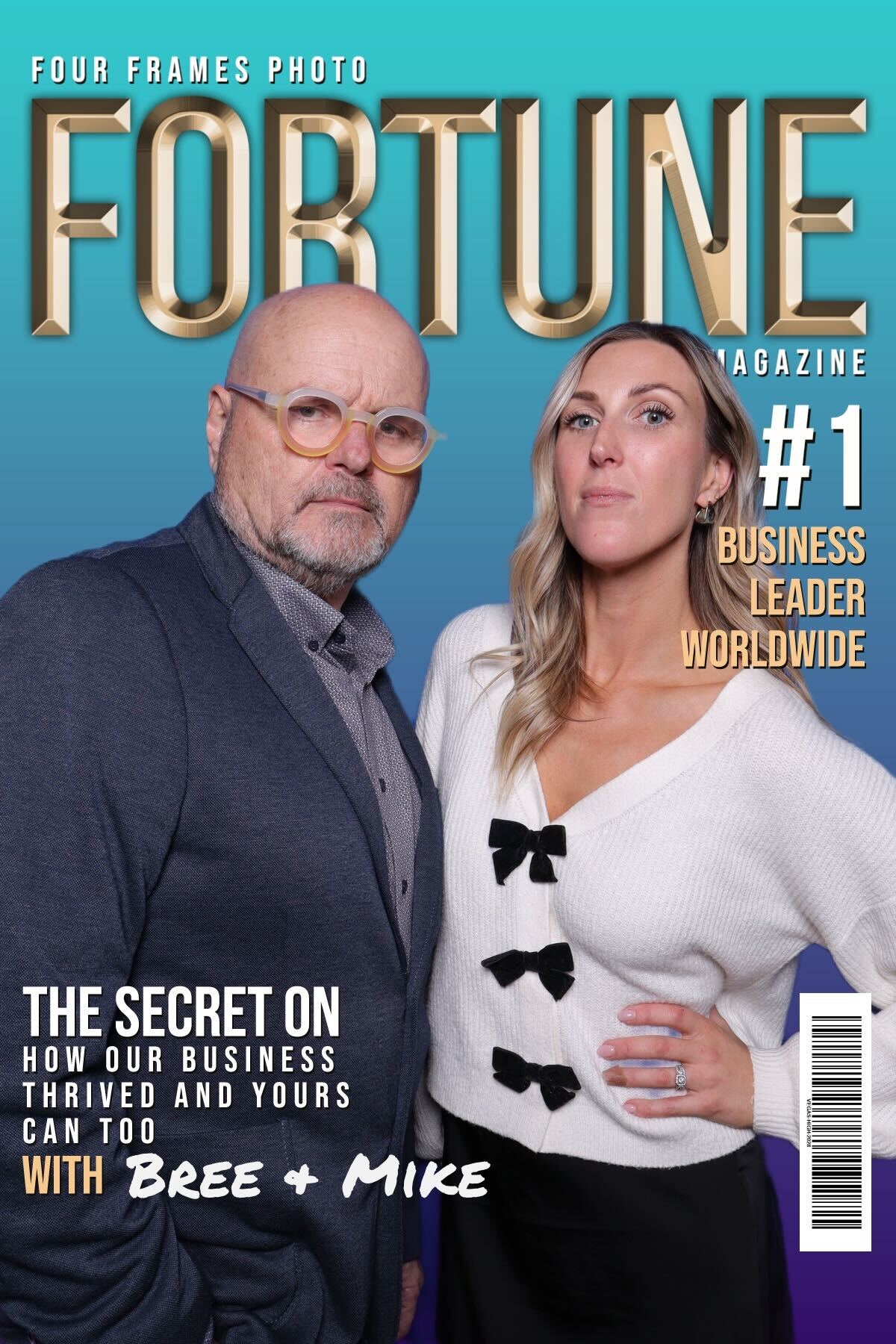
Disclaimer: The cover image was produced by Four Frames Photo as a novelty-style creation and is not an authentic Fortune Magazine cover, nor is it affiliated with or endorsed by Fortune in any capacity.